What to Do at the Pedraforca: A Guide to Saldes and the Berguedà
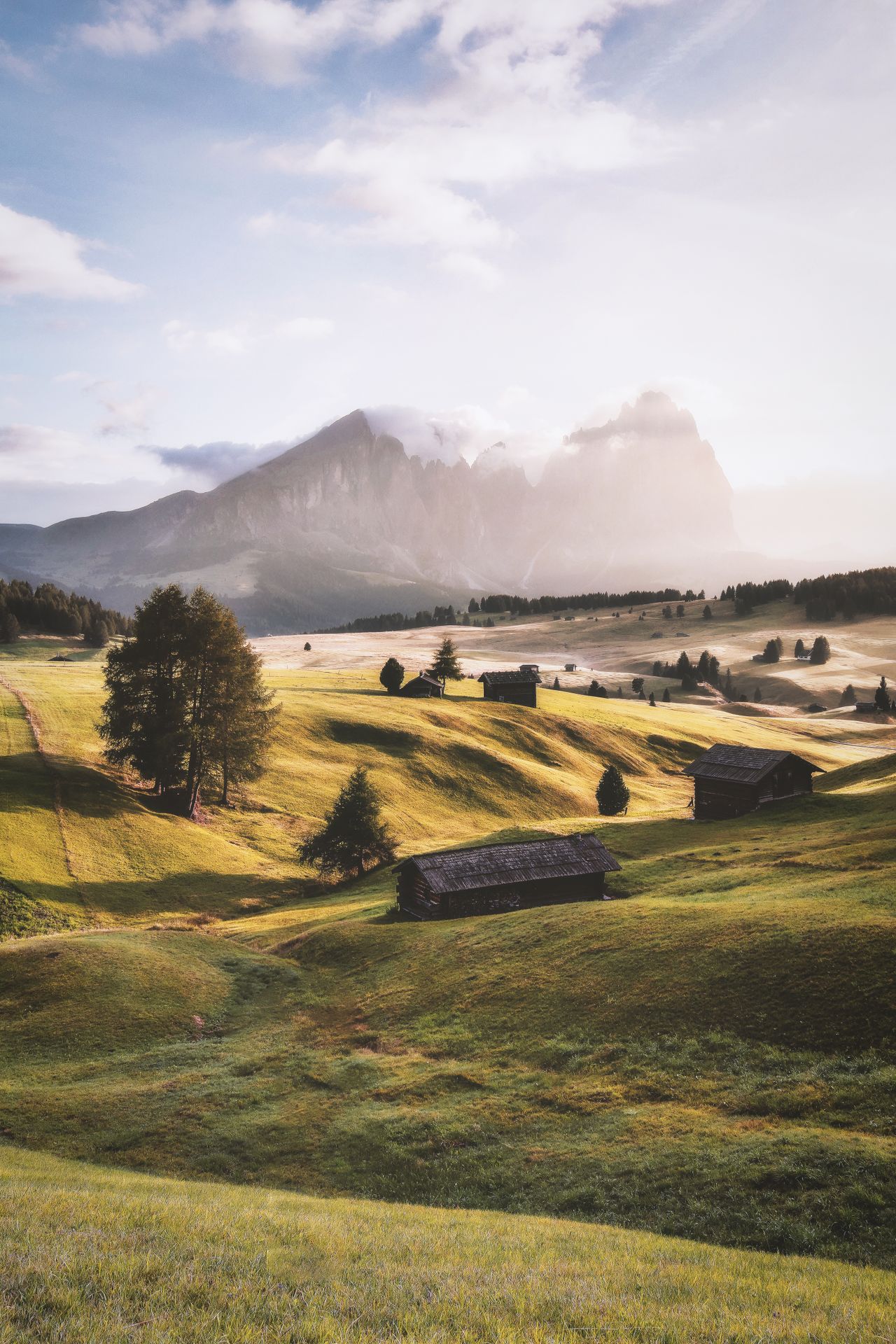
The Pedraforca is one of the most recognisable mountains in the Catalan Pyrenees. Its silhouette of two peaks joined by a central notch presides over the horizon of Saldes, a mountain village in the Berguedà set above 1,200 metres of altitude. Anyone who makes it this far is looking for nature, silence and trails, and the massif offers all three in abundance. This guide brings together what to do at the Pedraforca and around Saldes, whether you want to reach the summit or prefer quiet walks, villages with history and good food.
The Pedraforca: the mountain that presides over Saldes
The Pedraforca massif has two main peaks. The Pollegó Superior reaches 2,506 metres and the Pollegó Inferior 2,445. Between the two opens the Enforcadura, the notch that gives the mountain its name and that, seen from a distance, resembles a pitchfork driven into the ground. The north face, imposing and vertical, is one of the most photographed rock walls in the Pyrenees.
The entire massif forms part of the Cadí-Moixeró Natural Park, a protected area declared in 1983 that spans three counties and covers more than 40,000 hectares. This protection explains why the surroundings of Saldes preserve mature forests, mountain wildlife and a landscape free of development. Casa Rural Pedraforca sits right at the foot of the massif, inside this park, and makes a good base for planning your days around the weather and how much you feel like walking.
Climbing the Pedraforca: the classic route to the Enforcadura
Climbing the Pedraforca is the main goal for many hikers. The best-known route leaves from the car parks around Saldes, climbs towards the Lluís Estasen refuge, set in the meadow at the base of the massif, and continues up the gully that leads to the Enforcadura. From there, a final stretch along the ridge leads to the Pollegó Superior.
It is a demanding hike. Allow between 5 and 6 hours there and back and close to 1,000 metres of elevation gain, with stretches of scree and rock where care is needed. It is not a technical climbing route, but it calls for mountain experience, good footwear and, above all, a checked weather forecast: conditions in the Pyrenees can change quickly and the ridge is exposed. In winter, with snow and ice, the climb becomes a high-mountain activity that requires specific equipment.
Anyone who wants to enjoy the massif without reaching the summit has a good alternative: climbing only as far as the Estasen refuge. The path crosses forests and meadows with the north face always in view, and is an achievable goal for half a day.
Gentle hiking through the Cadí-Moixeró Natural Park
You do not need to reach a summit to enjoy the surroundings. The Gresolet forest, on the northern slope of the Pedraforca, is one of the most beautiful corners of the park: an extensive beech wood that turns copper in autumn and hides springs, paths and the Gresolet viewpoint, with one of the best views of the north face.
Several waymarked routes leave from Saldes for every level. Some follow old drovers’ tracks between meadows; others connect with the Cadí-Moixeró trail network, which reaches neighbouring villages. The GR 107 also crosses the area, the Camí dels Bons Homes (Way of the Good Men), the historic route that once linked the Berguedà with the French Pyrenees and passes through Gósol. It is an excellent way to combine walking and heritage in a single outing.
Climbing and adventure activities
The north face of the Pedraforca is a classic of Pyrenean climbing, with high routes that draw experienced climbers throughout the summer season. It is not terrain for beginners, but the massif accounts for a good share of the area’s vertical activity.
Around Saldes there are also more accessible options. The Berguedà region offers mountain bike routes and forest tracks connecting the villages of the upper Berguedà, canyoning in spring, and guided wildlife-watching outings. The combination of forest, rock and altitude means every season has its own activity.
Villages and heritage near Saldes
The area around the Pedraforca is rich in villages with history. Gósol, on the other side of the massif, keeps the remains of its castle and the memory of Picasso, who spent a season there in 1906 and found inspiration. Bagà, to the north, holds a medieval centre with arcaded squares and the Cathar interpretation centre. Berga, the region’s capital, is known for the Patum, the festival declared Intangible Cultural Heritage by UNESCO.
Very close to Saldes, the Fumanya dinosaur footprint site shows one of the most important sets of dinosaur tracks in Europe, a record of the area’s geological past. The old Berguedà coal mines complete an industrial heritage that can be explored through museums and waymarked routes.
Food from the Berguedà
Coming down from the mountain to sit at the table is part of the trip. Berguedà cuisine is built on local produce: mountain cured meats, artisan cheeses, quality potatoes and, in autumn, the wild mushrooms that fill the forests. Hearty stews and game give character to the region’s restaurant menus during the cold months.
Markets and village fairs are a good chance to bring home local produce. Combining a day on the trails with an unhurried meal is one of the best ways to experience the surroundings of the Pedraforca.
Winter at the Pedraforca
When the snow arrives, the landscape changes completely. The forests and meadows at the base turn white and snowshoe routes open up, a perfect activity for families and for anyone who wants to discover the mountain at a gentle pace. The silhouette of the snow-capped massif, outlined against the winter sky, is one of the area’s most memorable sights.
For the more experienced, winter at the Pedraforca means high-mountain climbing: ascents that should only be attempted with proper training and technical equipment. Whatever the plan, the short, cold days are an invitation to head back soon to the warmth of a house with a fire.
When to visit the Pedraforca
Each season shows a different face of the massif. In spring, as the snow melts, the meadows at the base turn green again and the springs run full; it is a good time for gentle walks, although snow can still linger at higher altitudes. Summer is the busiest time and the best window for reaching the summit, always setting off early to avoid the afternoon storms common in the Pyrenees on the hottest days.
For many, autumn is the most beautiful season. The Gresolet beech wood turns gold and red, the forests fill with mushrooms and the low light traces the north face with a striking contrast. Winter, finally, transforms the whole setting into a snowy, quiet landscape, ideal for snowshoeing and for anyone seeking real silence.
Practical tips for the trip
Heading into the mountains calls for a little preparation. Set off early, carry water and food, and wear footwear and clothing suited to the season. Mobile coverage is patchy inside the park, so it is worth downloading the route map beforehand and letting someone know your plan.
The Cadí-Moixeró Natural Park is a protected area: stick to waymarked paths, leave no trace and respect the wildlife and vegetation. With these basic precautions, the surroundings of the Pedraforca can be enjoyed calmly at any time of year.
How to get there and where to stay
Saldes is a little over an hour and a half from Barcelona by road, along the C-16 to Berga and then the road that climbs towards the mountain. The best way to make the most of the area is to stay a few days: that way you can combine a day at the summit, a day in the forest and a day in the villages without rushing.
Casa Rural Pedraforca offers 73 places at the foot of the massif, with a pool, a terrace with direct views of the Pedraforca and common halls for groups. It is a comfortable base for families, groups of friends and teams who want the mountain right at the door and a quiet place to return to each evening. If you are planning a getaway to the Pedraforca area, tell us your dates and group size and we will check availability.
Key points
The Pedraforca summit reaches 2,506 metres
The Pollegó Superior rises to 2,506 metres and the Pollegó Inferior to 2,445, joined by the Enforcadura, the notch that gives the mountain its distinctive forked silhouette.
Saldes, gateway to the Cadí-Moixeró Natural Park
The village of Saldes is the usual starting point for the massif, inside one of the largest protected natural areas in Catalonia, declared a natural park in 1983.
The classic route takes a full day
Climbing the Pedraforca via the Enforcadura is a demanding hike of around 5 to 6 hours there and back, with close to 1,000 metres of elevation gain.
Activities for every season
Hiking and climbing in summer, snowshoeing in winter, and visits to villages such as Gósol, Bagà and Berga all year round.
Frequently asked questions
How long does it take to climb the Pedraforca?
Climbing the Pollegó Superior via the Enforcadura usually takes between 5 and 6 hours there and back from the car parks in Saldes, with close to 1,000 metres of elevation gain. It is a demanding route, recommended for experienced hikers with proper mountain footwear and a checked weather forecast.
Where is the Pedraforca?
The Pedraforca stands in the municipality of Saldes, in the Berguedà region (Barcelona province), inside the Cadí-Moixeró Natural Park, in the Catalan Pyrenees. Saldes is the reference village for reaching the massif and the starting point for its best-known routes.
What can you do around the Pedraforca without going into high mountains?
Around Saldes there are gentle walks through the Gresolet forest, viewpoints looking onto the north face, visits to villages such as Gósol and Bagà, and the Fumanya dinosaur footprint site. There is also mountain cuisine and quiet routes through the villages of the upper Berguedà.
Can you visit the Pedraforca in winter?
Yes. In winter the massif is covered in snow and snowshoe routes open up through the forests and meadows at its base. Climbing to the summit in winter conditions requires proper equipment and high-mountain experience.
Make Casa Rural Pedraforca your starting point
73 places at the foot of the massif, with a pool and a terrace with direct views. Tell us your dates and group and we will check availability.
Check availability